

Transition & Vocational
Pathways to Possibility
Building skills, confidence, and connections for life beyond the classroom.
Clare Woods’ Transition & Vocational Program prepares students for meaningful lives beyond the classroom.
Through individualized transition planning, hands-on instruction, vocational training, and real-world work experiences, students develop practical, social, workplace, and self-advocacy skills for adulthood. Our team helps students explore employment, college, trade programs, adult services, independent living, and other opportunities based on their unique strengths, interests, and goals. By working closely with students, families, employers, and community partners, we help each student create an individualized pathway toward greater confidence, belonging, independence, and lifelong success.

Our Mission
To empower people of all abilities through support, education, and advocacy—helping each person grow with confidence, belong in community, and achieve lifelong resilience.
The Transition & Vocational Program empowers students of all abilities to prepare for life beyond the classroom through individualized transition planning, vocational training, real-world work experiences, community partnerships, and skill development. By recognizing each student’s unique strengths, interests, goals, and potential, we create meaningful pathways that promote confidence, independence, self-advocacy, community inclusion, and lifelong success.
At Clare Woods, we believe there is no single path to the future. We are committed to helping every student unlock their potential and create an individualized future that reflects who they are, what they value, and what they aspire to become.
The Transition & Vocational Program includes:
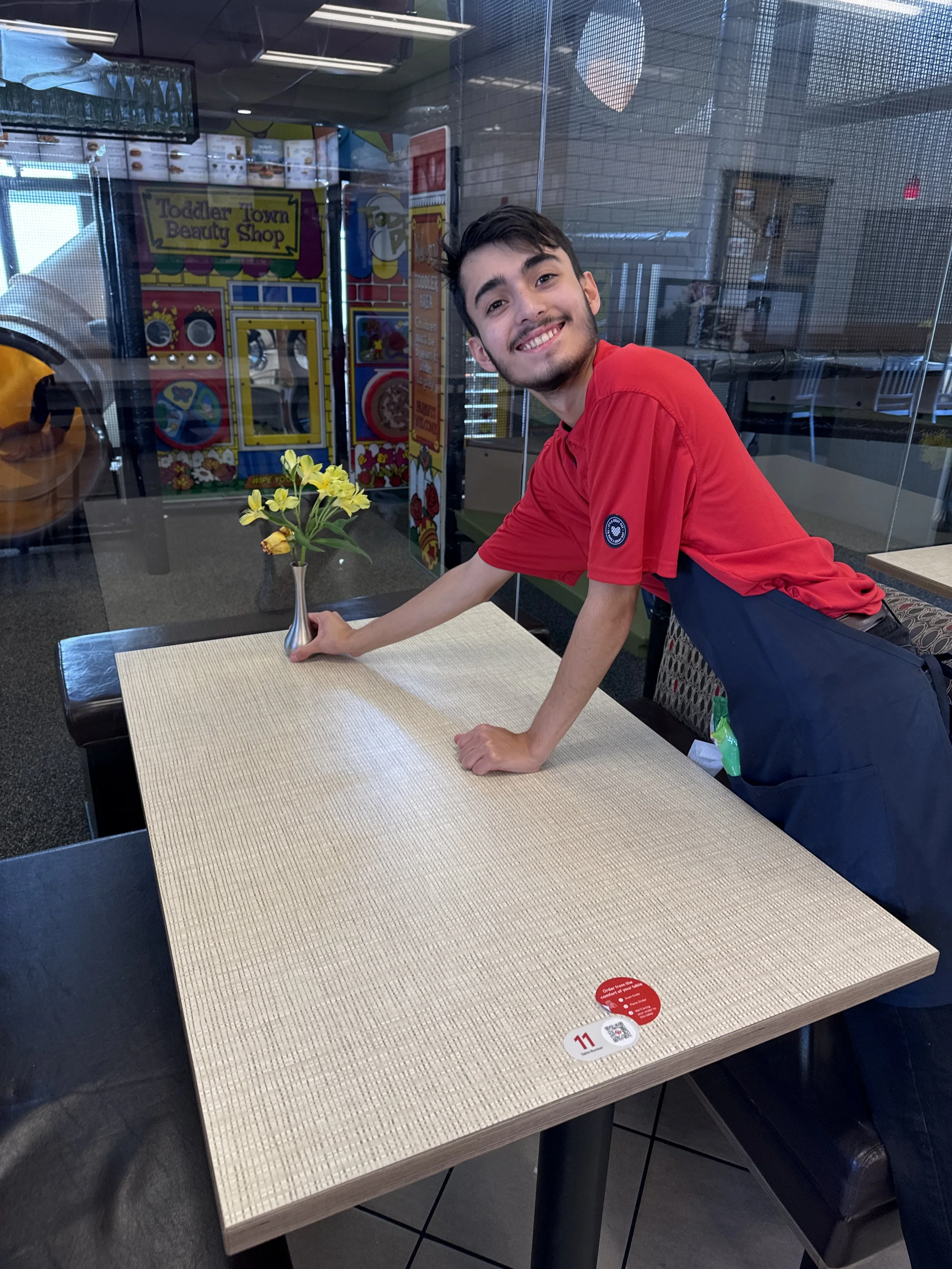
Individualized transition planning centered on each student’s strengths, interests, abilities, and long-term goals
Transition and vocational services for students beginning at age 14½ and continuing through age 22
Early on-campus vocational experiences for some younger students beginning around age 10
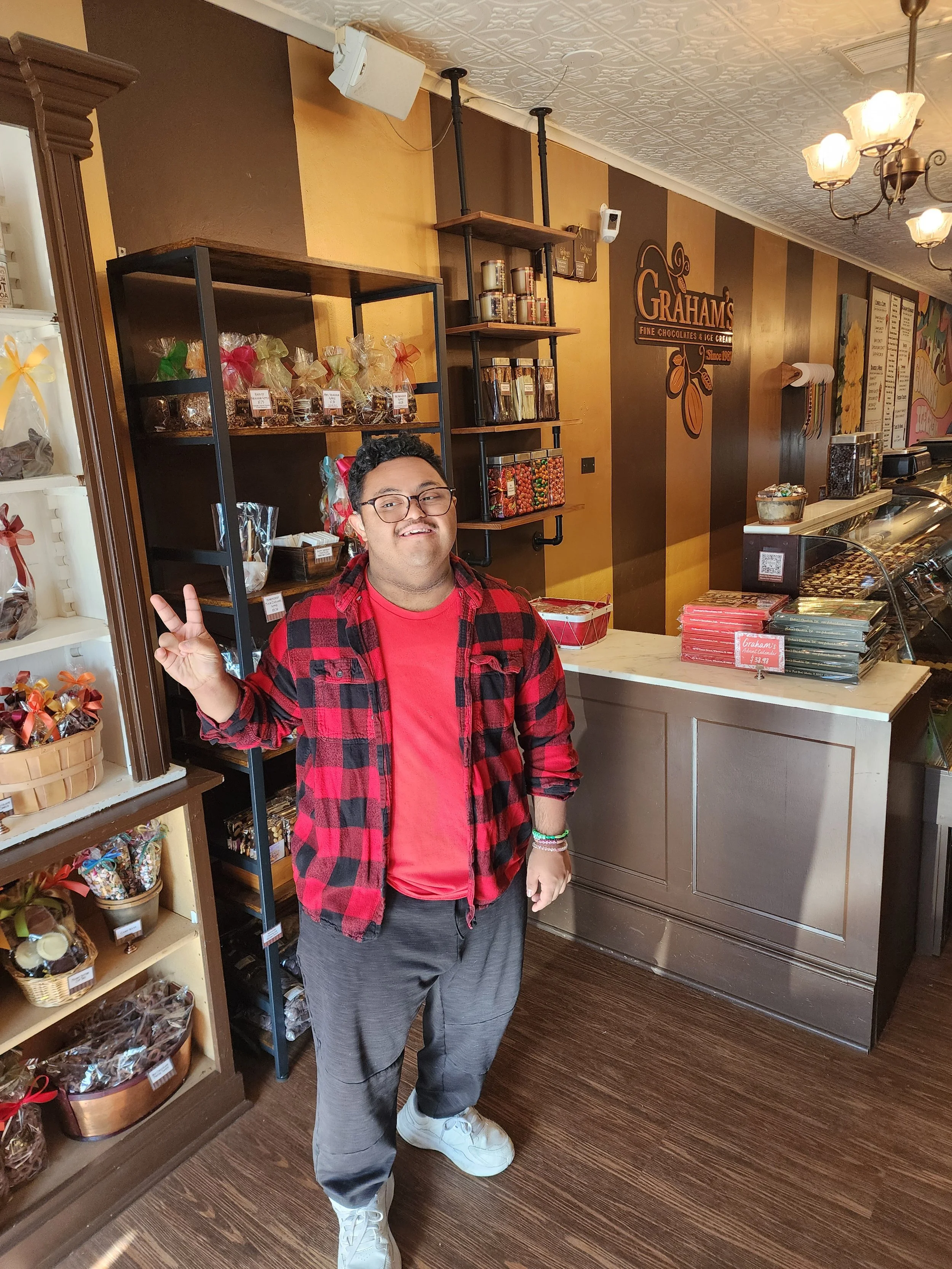
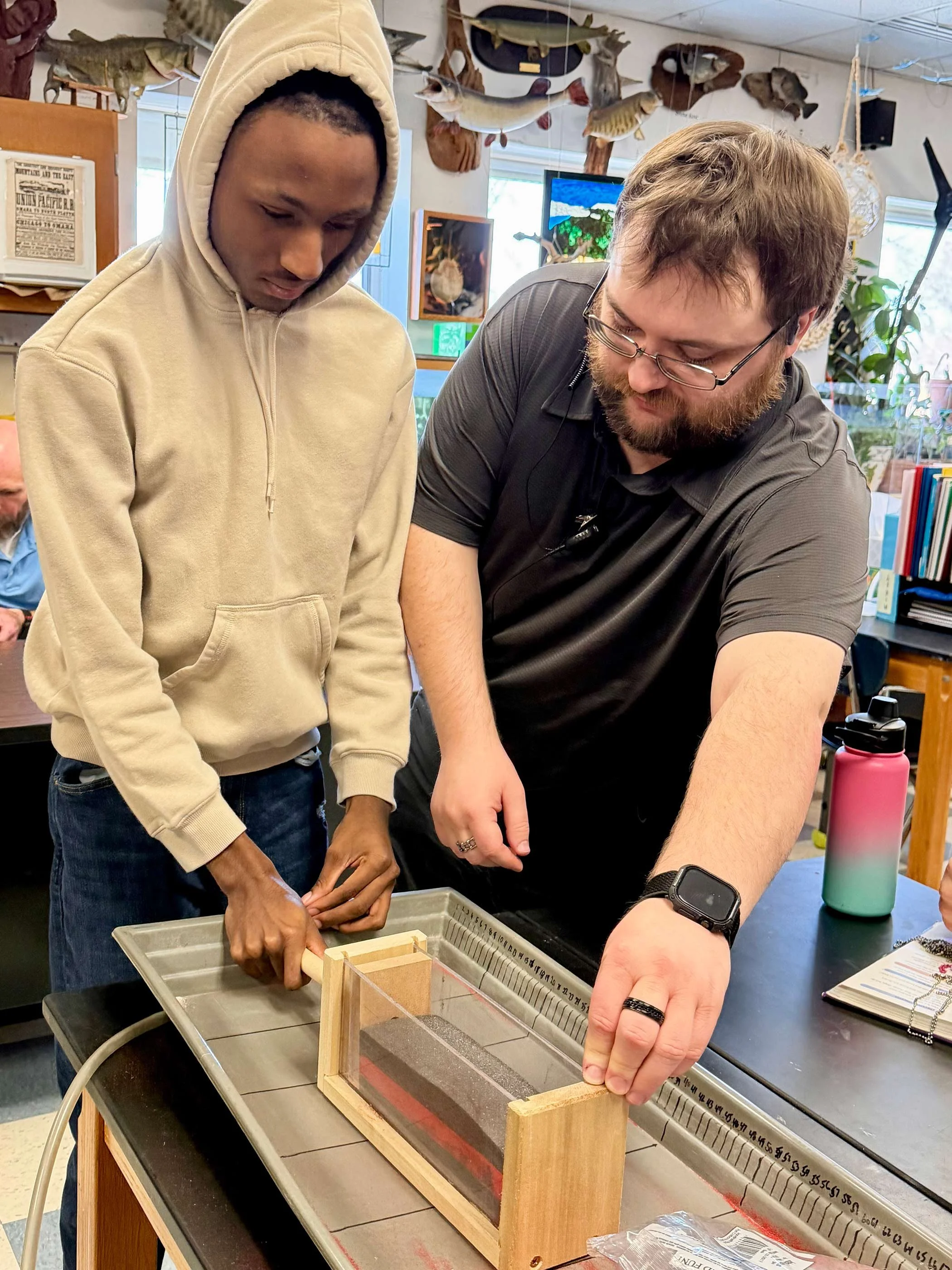
Career exploration and workplace-readiness instruction
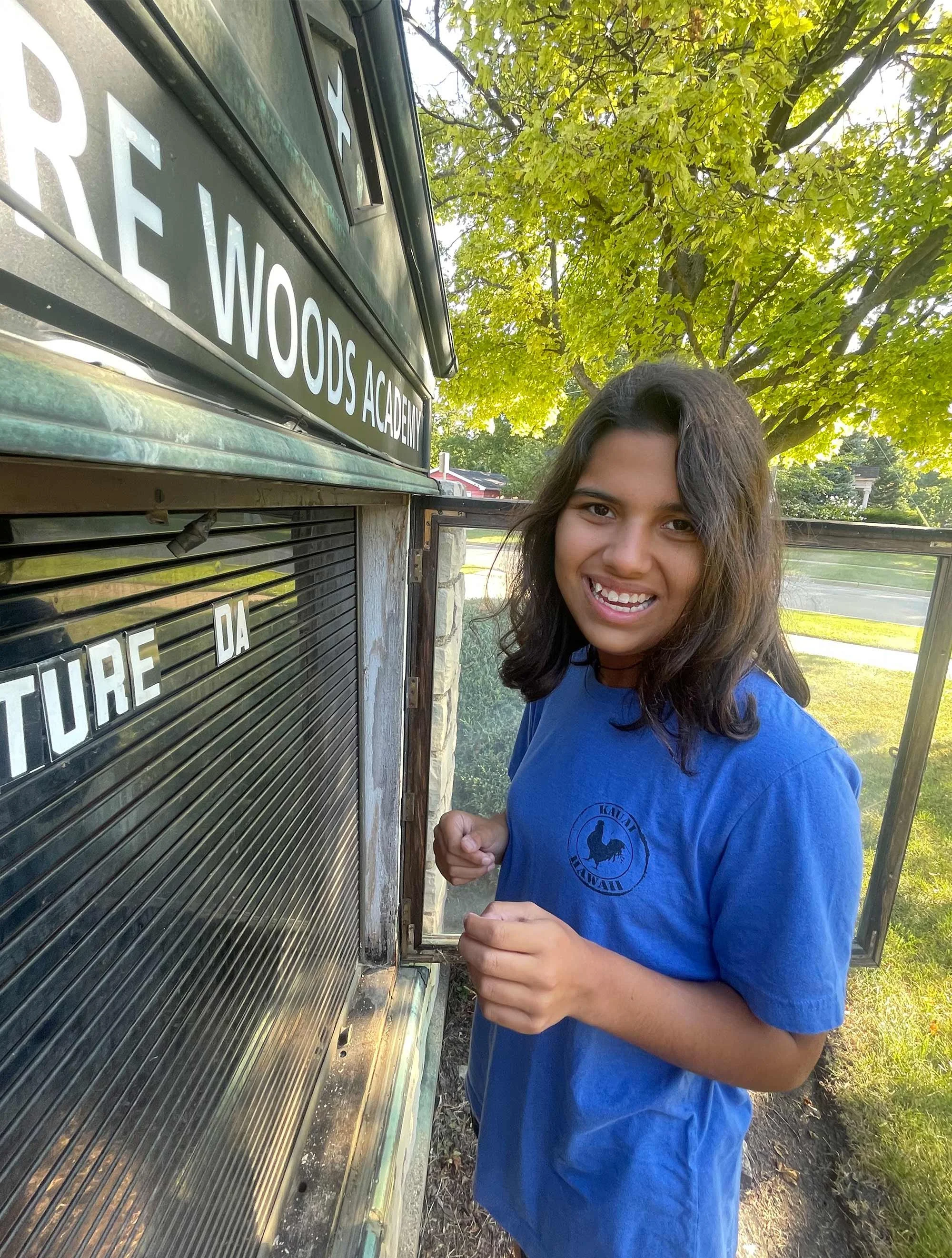
On-campus vocational training and supported job placements
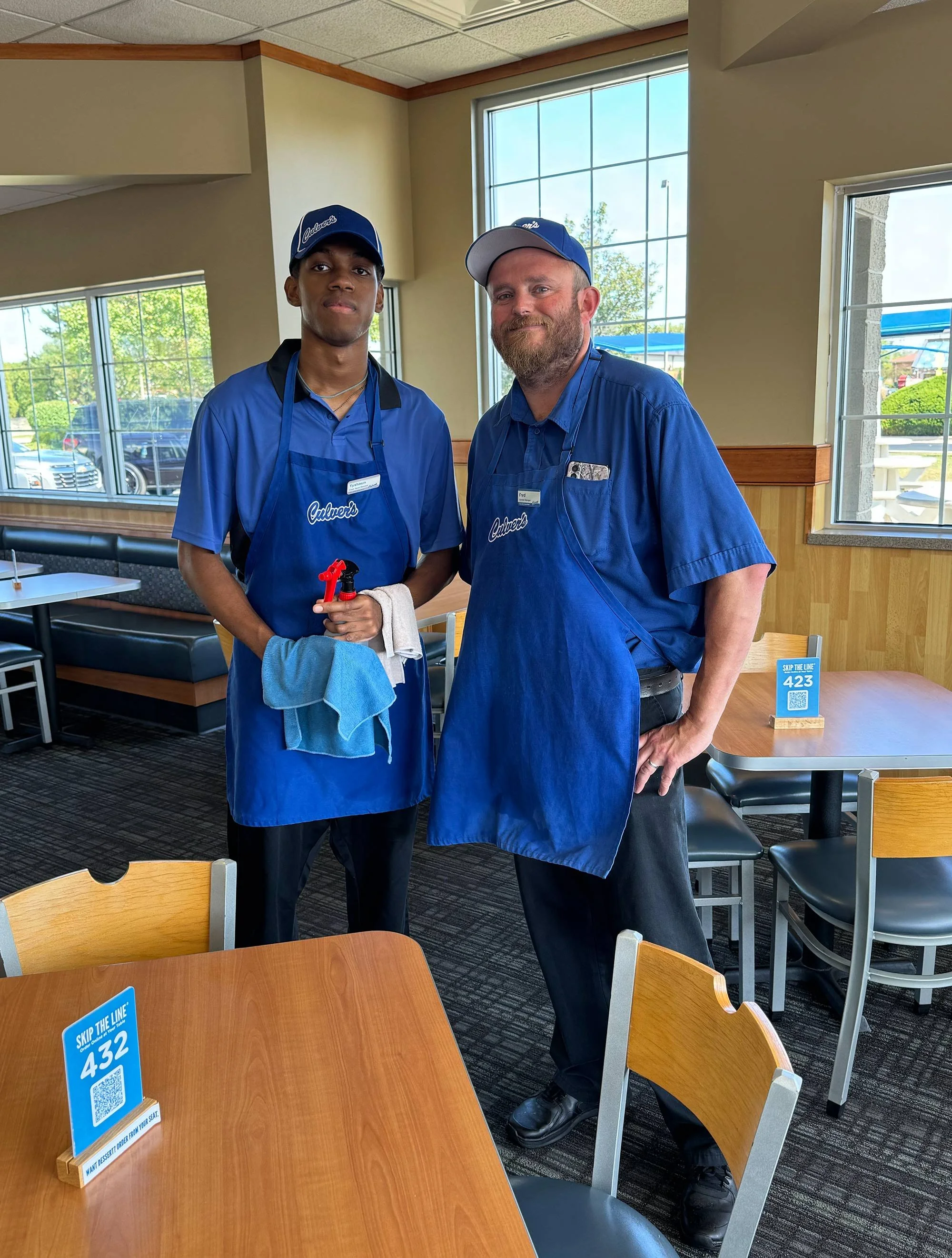
Community-based work experiences with local employers and organizations
Job coaching and preparation for competitive employment
Exploration of college, trade school, certificate, apprenticeship, and adult-education opportunities
Self-advocacy instruction, including communication, accommodations, and disability rights
Coordination with the Illinois Division of Rehabilitation Services
Connections to adult day, residential, and other post-graduation services
Family guidance related to PUNS, SSI, Medicaid, benefits, guardianship, residential planning, and adult-service systems

Help Build Pathways to Brighter Futures
Every gift helps students gain the skills, experiences, and connections they need to prepare for adulthood. Donor support can help provide job coaching, transportation to community placements, workplace training materials, career-exploration activities, student uniforms and supplies, technology, and expanded partnerships with employers and post-secondary programs.
Your generosity creates opportunities for students to practice real-world skills, build confidence, explore meaningful careers, and pursue greater independence. By investing in the Transition & Vocational Program, you are helping each student move closer to a future filled with purpose, belonging, and possibility.
During the 2025–26 school year:
68
students participated in on-campus and community-based Transition & Vocational programming
44
students participated in on-campus supported job placements
8
additional DRS referrals were in progress
16
employer and community partners provided meaningful opportunities
Graduates pursued college, trade and technical programs, adult day services, residential programming, employment, and other next steps
24
students participated in community-based supported employment
23
students were fully certified with the Illinois Division of Rehabilitation Services
4
new employer partnerships were established
3
students obtained competitive employment
8
graduates transitioned into individualized post-secondary pathways
Behind every number is a student building skills, discovering confidence, and taking meaningful steps toward a future shaped by their own strengths and goals.
Students automatically become part of Clare Woods’ Transition & Vocational Program when they reach age 14½ and remain in the program through age 22, when they age out of the school system.
There is no separate application for currently enrolled Clare Woods Academy students.
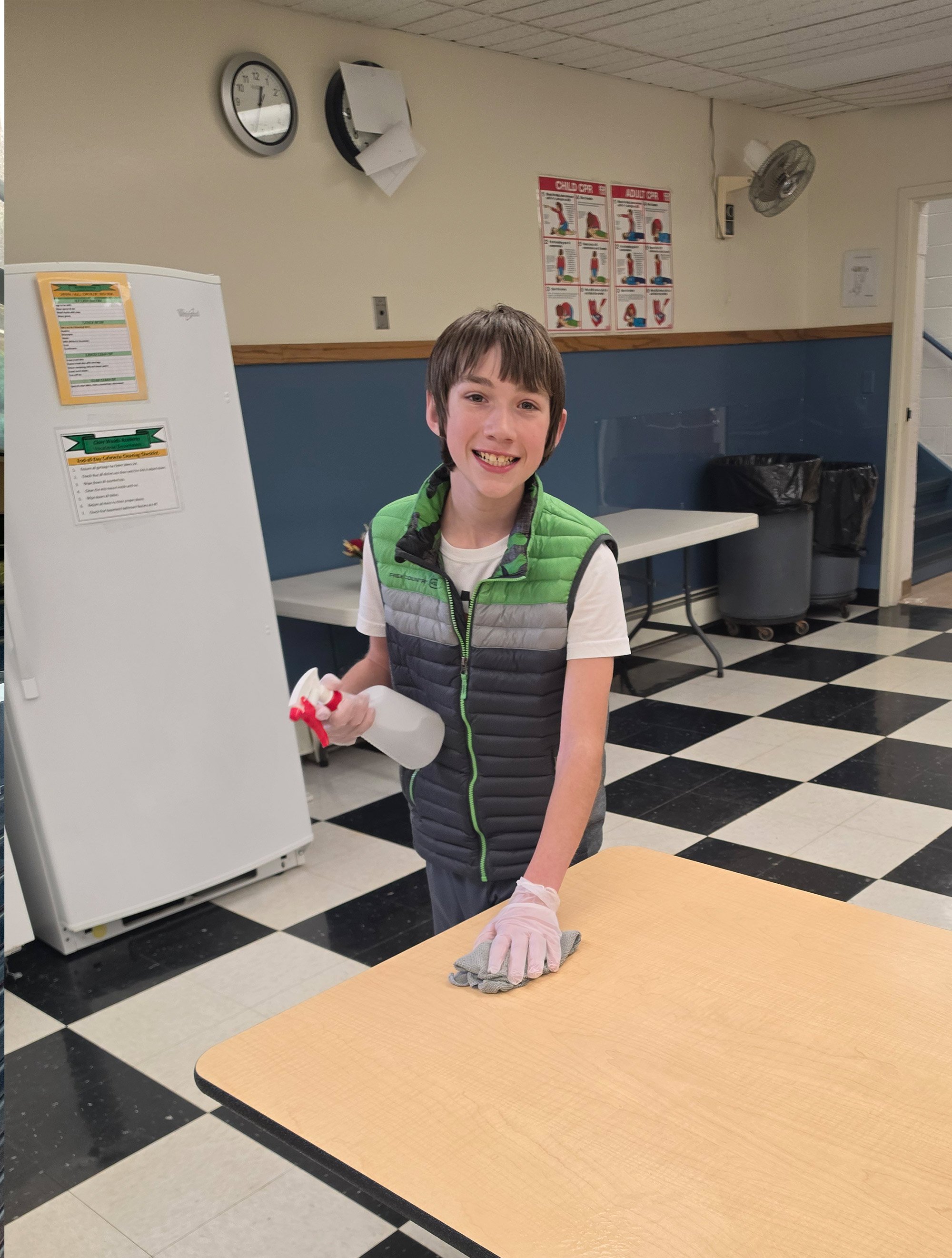
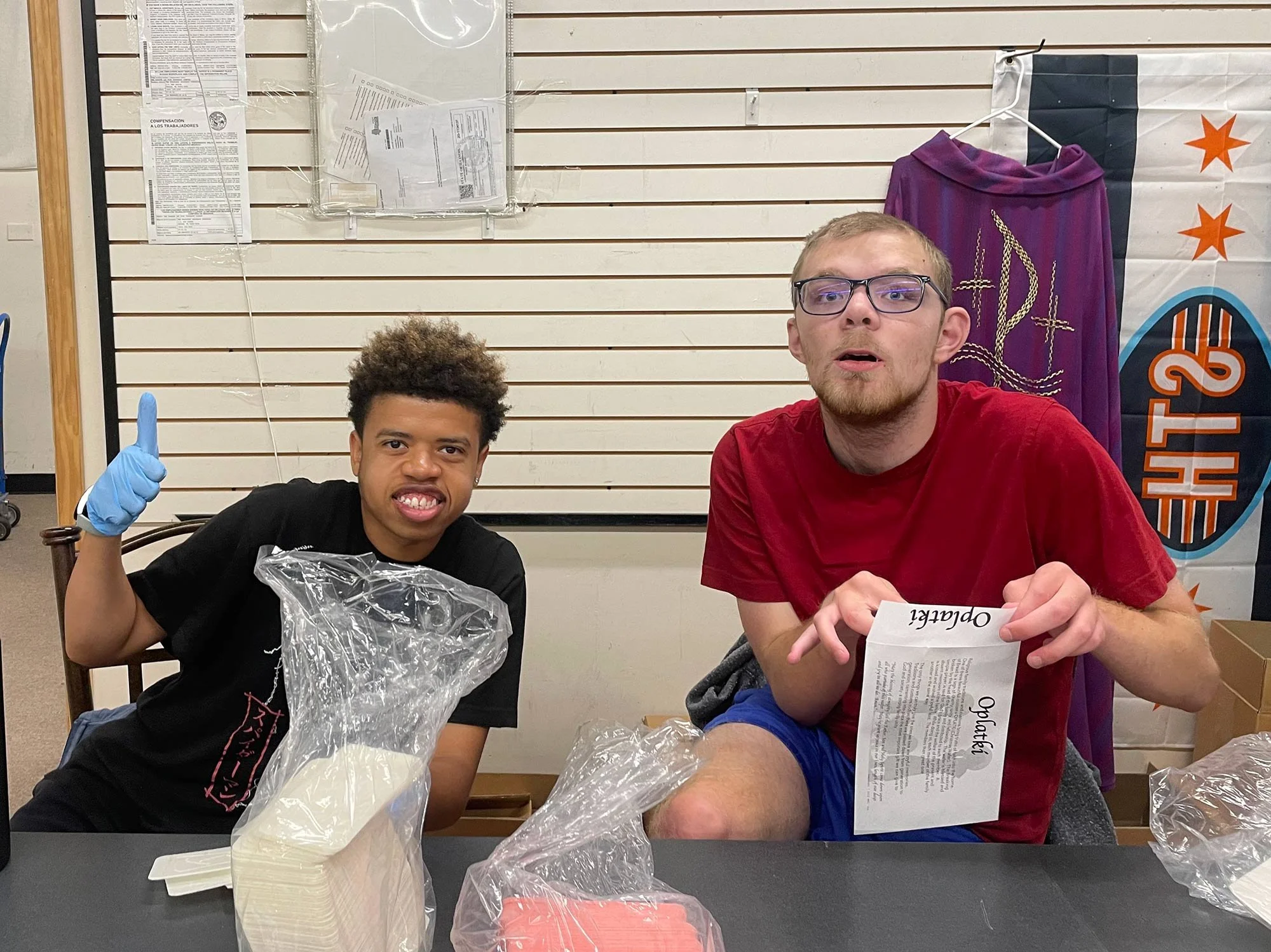
Some younger students, beginning around age 10, may also participate in introductory on-campus work opportunities. Typically offered for approximately 20–30 minutes once a week, these experiences allow students to complete simple tasks, earn money, practice responsibility, and begin building foundational vocational skills before formally entering the program.
Transition and vocational services continue to grow with each student and are individualized according to their strengths, interests, needs, and goals for life beyond Clare Woods.
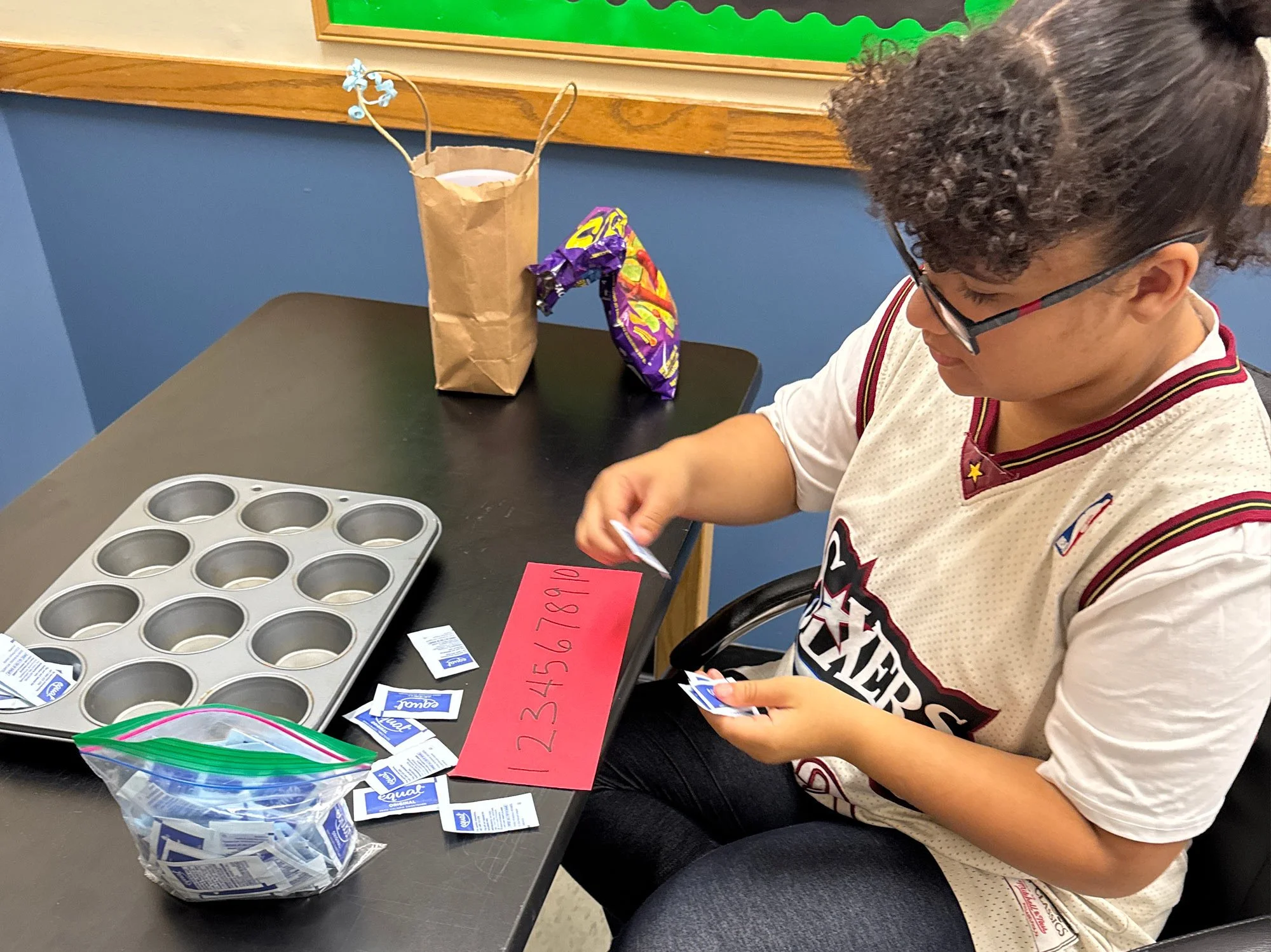
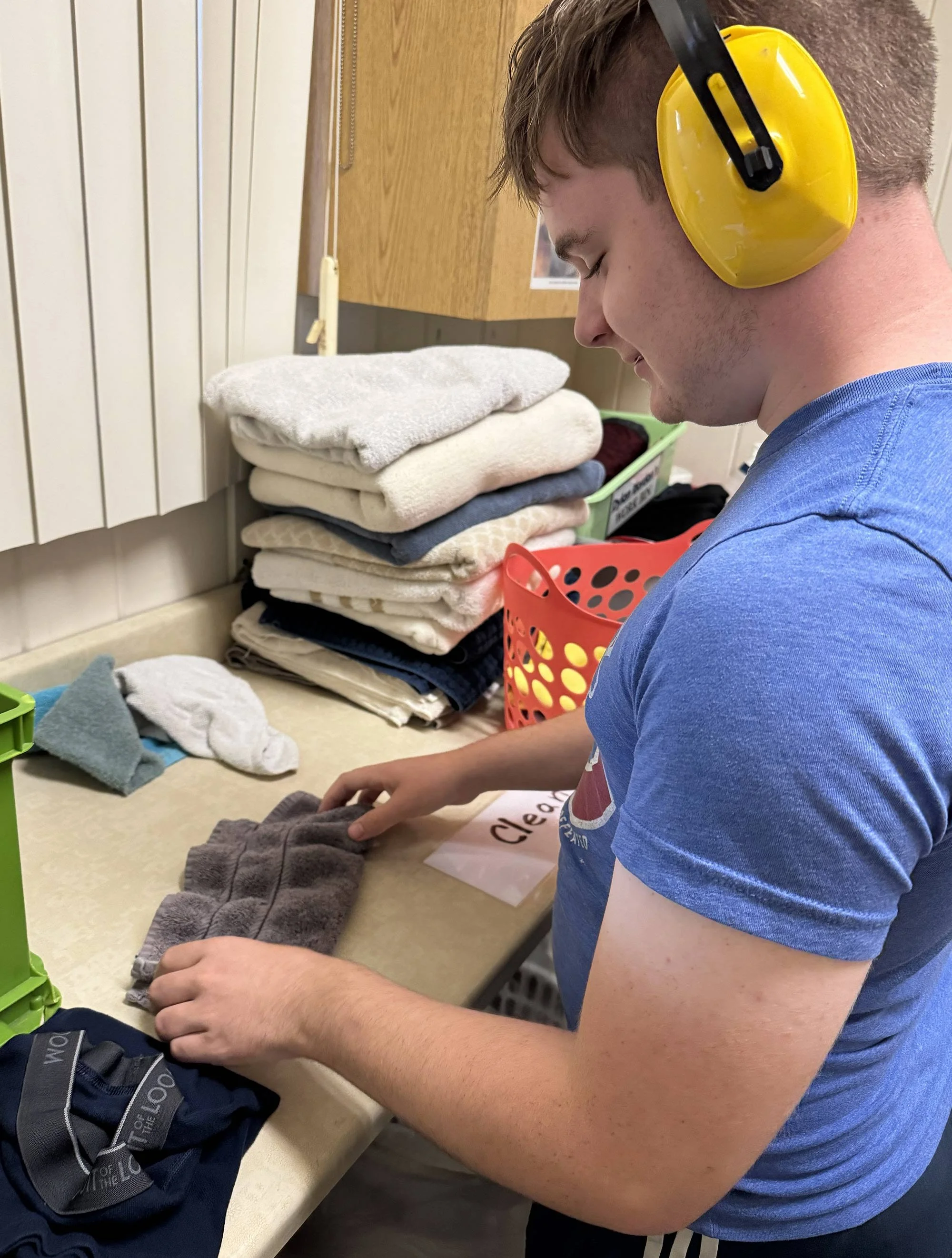
Become a Community Partner
Local employers and community organizations play an essential role in helping students build workplace skills and prepare for adulthood. Partners may provide workplace tours, job-shadowing opportunities, internships, volunteer experiences, supported employment placements, career presentations, or competitive employment opportunities.
Spotlight
TJ
Clare Woods Academy Class of 2026
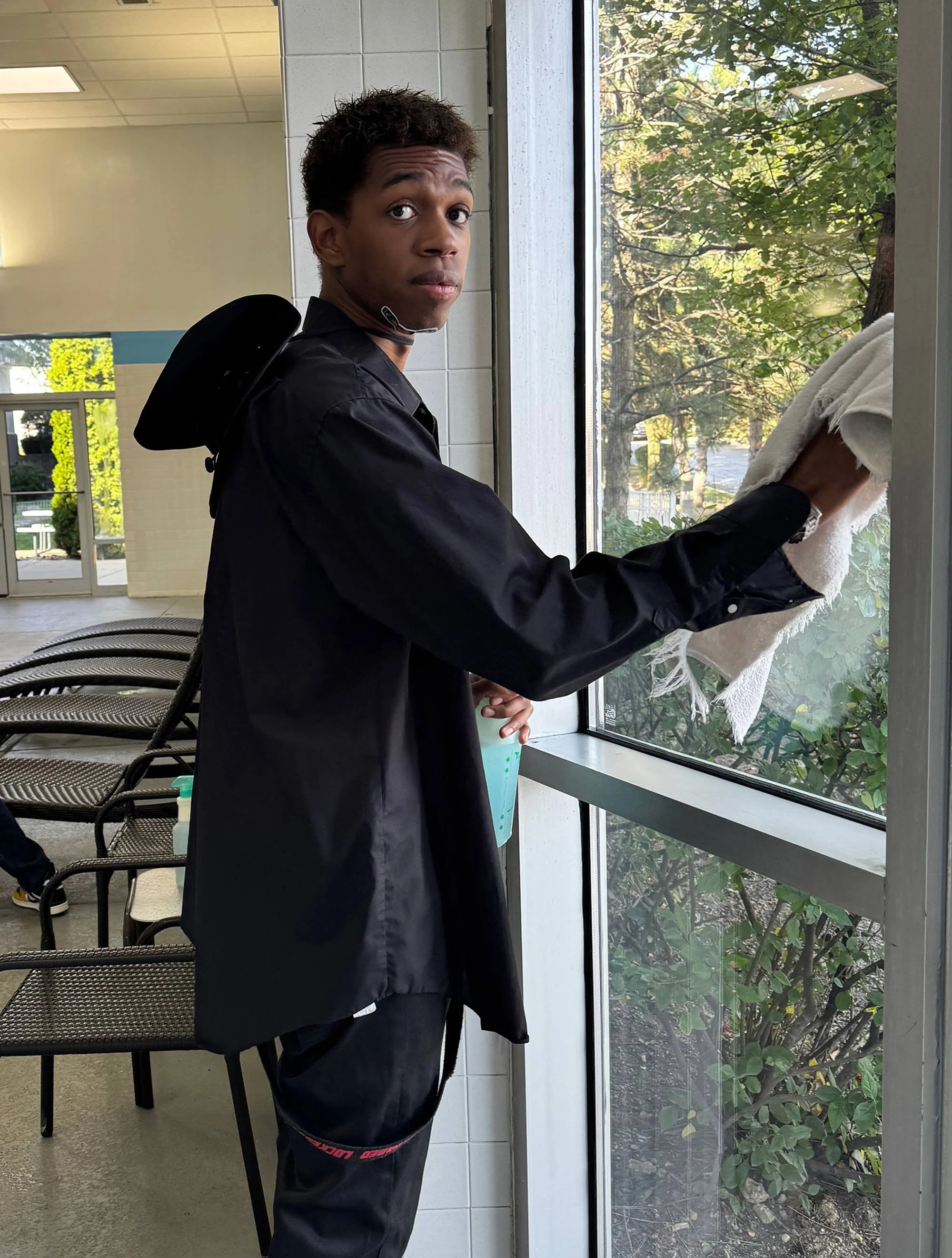
Throughout his time in the Transition & Vocational Program, TJ worked toward two important goals: greater independence and meaningful community employment. Through placements at Pet Supplies Plus, Walgreens, Holiday Inn, and Culver’s, he strengthened his communication, professionalism, work habits, and confidence.
With individualized transition planning and collaboration between Clare Woods Academy, his support network, and Aspire, TJ moved into a semi-independent residential home and began participating in adult day and vocational programming. Today, he continues developing employment skills, building relationships, and growing in independence. TJ’s journey demonstrates what is possible when thoughtful planning, strong partnerships, and belief in a student’s potential come together.